Cultural Tapestry of Farewell: Social Fabrics and Cultural Customaries in India
Wiki Article
Within the vibrant subcontinental heritage of India, cultural practices surrounding the final farewell of a community member represent a profound expression of collective heritage. From rural villages to major cultural hubs, the traditions associated with honoring an individual's earthly chapter demonstrate unmatched grace, historical roots, and mutual support. Moving beyond individual grief, these practices establish a lasting connection, fostering hospitality, deepening community ties, and upholding generational respect. The immediate hours following a person's passing are observed with attentive care and respect. Family members gather to perform traditional preparation rituals preserved within family lines. The individual is wrapped in pristine ceremonial textiles representing local artistic styles. In many traditions, classic white attire is selected, symbolizing quiet peace, dignity, and cultural simplicity. Within specific regional groups, garments with decorative embroidery or regional dyes are selected to celebrate an elder's wisdom and societal contributions. Fresh blossoms and natural garlands form a central element in these preparations. Vibrant arrangements of native blossoms are layered gracefully upon the resting platform. These colorful arrangements represent more than mere visual beauty; they represent the vibrant beauty of life and the honor bestowed by the family. The gentle application of aromatic sandalwood paste, natural rosewater, and traditional herbal essences further highlights the aesthetic elegance and loving care embedded within the home-based preparations. Among the most celebrated social features of Indian funeral customs is the ceremonial procession leading from the home toward nature's resting site. Known across various regions as a procession of honor, this movement through public space unites the broader neighborhood in mutual support. Community members, distant relatives, and lifelong friends assemble along the entry paths, dressed in modest, unadorned traditional white clothing to demonstrate solidarity and visual harmony. The rested individual is borne on a handmade platform crafted from sturdy local bamboo, decorated with fresh foliage and bright flowers. As the procession moves through the streets, participants share the responsibility of bearing the weight. This hands-on participation represents a meaningful tradition of fellowship, proving that grief is met with shared strength. Across numerous localities, soft rhythmic beats from local instruments or classic brass arrangements accompanies the procession, creating a rhythmic and dignified atmosphere that informs the local district of a completed life journey. India's immense cultural diversity manifests clearly in the local variations that mark each district's traditional customs. While core values of respect and community remain universal, the visual and artistic details differ wonderfully from north to south, and east to west. Once the initial rites conclude, family life shifts into a structured phase of quiet reflection, typically lasting between ten and thirteen days. Throughout these days, the family home becomes an open sanctuary for guests arriving from nearby and far-off locations who travel from afar to offer condolences and pay their respects. Receiving guests with warmth remains a top priority. Wholesome vegetarian dishes are cooked continuously to serve all guests who arrive to honor the family. This tradition of sharing meals fosters deep emotional connection, provides an opportunity to recount cherished personal stories, while guaranteeing that the family receives active help and daily supplies from neighbors. The final day of the memorial period is celebrated with an extended neighborhood meal. Senior relatives recount the person's life history, good deeds, and values, passing down valuable life lessons to youth. Selfless acts of service—like sponsoring student materials, sharing food with local shelters, or donating textiles—are organized as a meaningful tribute, reinforcing the value of community service and social responsibility.
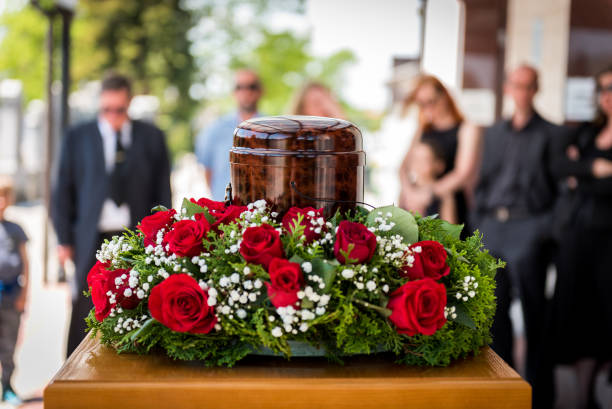
Harishchandra Ghat Electric Crematorium Families across India handle these dignified moments with a unique blend of communal togetherness and structured ritualism. Across both historic towns and modern neighborhoods, the arrival of extended family and supportive neighbors serves as the primary pillar of support. This social tradition provides a supportive atmosphere through which communities offer mutual support, demonstrate respect for elders, and celebrate the enduring influence of a person's life legacy.
Loving Preparation and Aesthetic Elegance
Processions of Honor: Community Unity
Element
Material Used
Cultural Significance
Attire
Traditional White Attire
Reflects modest dignity and visual harmony.
Resting Platform
Handcrafted Local Bamboo
Demonstrates local craft and eco-friendly design.
Floral Adornments
Fresh Marigolds, Lotus, and Roses
Expresses high regard, warmth, and artistic beauty.
Aromatics
Herbal Extracts and Rose Oils
Ensures sensory grace and natural care.
Subcontinental Diversity in Farewell Customs
Harishchandra Ghat Electric Crematorium No matter if the community practices gentle earthen burial or ceremonial fire rites, the practice remains deeply rooted in local philosophy of returning the physical form to nature's fundamental components with complete respect for the earth and ancestral eco-friendly customs.
Gatherings of Remembrance and Community Care
Summary: Timeless Values of Community Honor
Hindu Crematorium Ground Hyderabad These subcontinental customs demonstrate a beautiful example of deep-seated hospitality, cultural elegance, and mutual care. Through turning a time of loss into an honorable display of community unity, these traditions showcase the strength of human connection and collective support. With delicate floral craft, peaceful white processions, distinct regional arts, and open-door hosting, this heritage celebrates the completed life of every member while building stronger, more united neighborhoods for the future.